
The hoist is regarded as the “throat equipment” of mining operations. It undertakes core tasks including underground material transportation, equipment delivery, and personnel conveyance throughout the entire mining process. Serving as a vital link between the surface and underground working areas, its efficient and stable operation directly determines the production capacity and safety level of a mine.
In terms of material transportation, hoists serve as the primary equipment for ore conveyance. Main shafts generally adopt multi-rope friction hoists equipped with skip buckets to vertically transport coal, metal ores and other minerals from underground to the ground. A single lifting load ranges from 20 to 50 tons, and large-scale hoists can achieve a throughput of over 500 tons per hour, effectively solving material transportation difficulties in deep mines of up to 2000 meters. Meanwhile, hoists transport gangue to the surface for disposal to keep underground working areas unobstructed and deliver support materials and mining equipment components to underground working faces, ensuring continuous production.
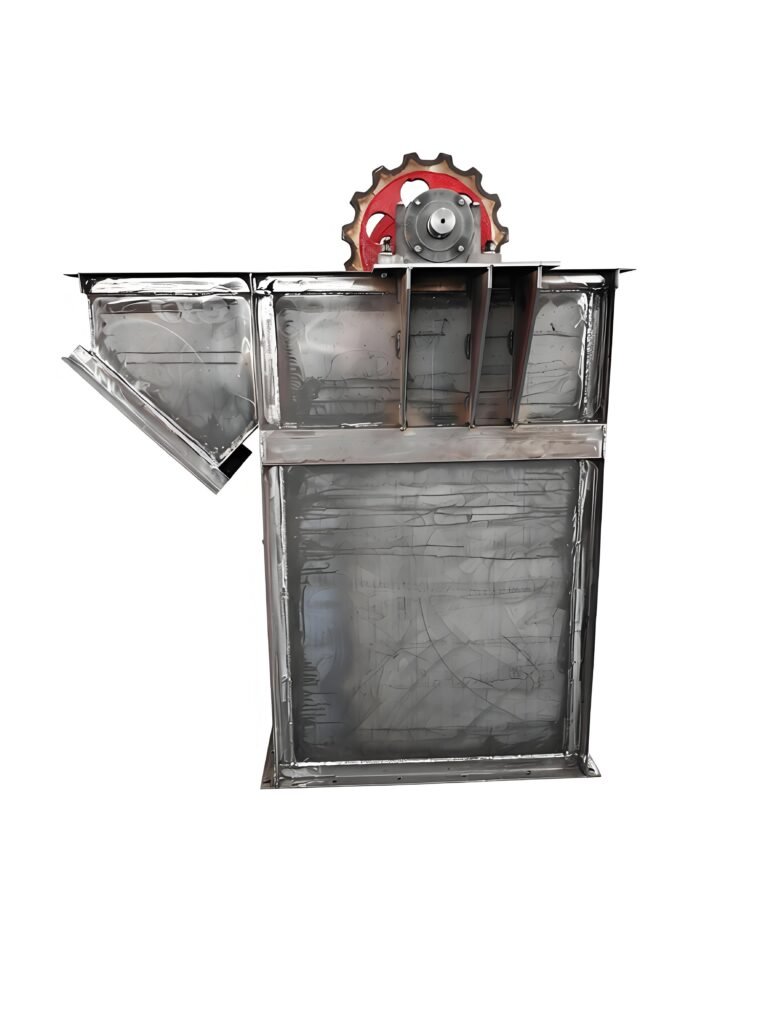
For personnel and equipment transportation, auxiliary shaft hoists are equipped with special cages as the main passage for miners to travel between underground and the surface. Large cages can carry hundreds of people in a single trip. Fitted with multiple safety protection devices such as anti-fall, over-speed and over-winding protection systems, the equipment complies with strict mining safety regulations and guarantees safe personnel transportation. In addition, hoists can convey heavy equipment underground, facilitating equipment maintenance and replacement and supporting mechanized mining operations.
Hoists also play a critical role in safety and emergency response. In case of mine water inrush, gas leakage and other accidents, hoists can rapidly transport rescue personnel, equipment and supplies to build emergency passages and save valuable rescue time. Modern hoists are equipped with PLC intelligent monitoring systems that real-time monitor parameters such as steel rope tension and motor temperature, enabling automatic braking and alarming under abnormal conditions to reduce operational risks.
At present, mining hoists are developing toward large-scale capacity, intelligence and energy conservation. The adoption of variable frequency speed regulation technology reduces energy consumption, while fully automatic control systems minimize manual intervention, adapting to harsh working conditions such as deep mining and complex geological environments. As a core pillar of efficient, safe and green mining, the continuous technological upgrading of mine hoists will further promote the high-quality development of the mining industry.
