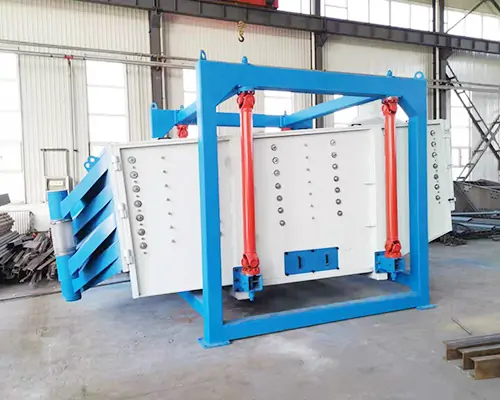
Linear vibrating screens feature simple structure, large throughput and high screening precision with good sealing performance. Widely deployed in chemical and construction material sectors, they complete material classification, impurity removal and dewatering, stabilize finished product quality, improve operational efficiency and facilitate refined and eco-friendly industrial development.
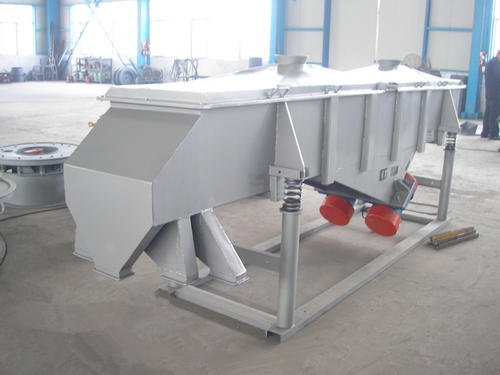
In the chemical industry, linear screens are compatible with screening of chemical fertilizer, synthetic resin, coating, soda ash and other raw materials, effectively tackling caking, heavy dust and strict purity requirements. For fertilizer production, the equipment grades granular urea and compound fertilizer, sifting out agglomerates and foreign contaminants to achieve uniform particle size and favorable flowability for premium finished goods. During PVC resin processing, dried resin contains oversized particles and fine powder; fully enclosed linear screens accurately remove impurities. Equipped with explosion-proof motors, they suit flammable and explosive working environments while curbing dust leakage to meet safety and environmental regulations. For paints and pigments such as titanium dioxide and lithopone, linear screens eliminate lumps and coarse grains to ensure fine raw materials and smooth coating performance. To resist acid and alkali corrosion from chemical substances, core machine parts are commonly made of 316L stainless steel or coated with PTFE for extended service life.
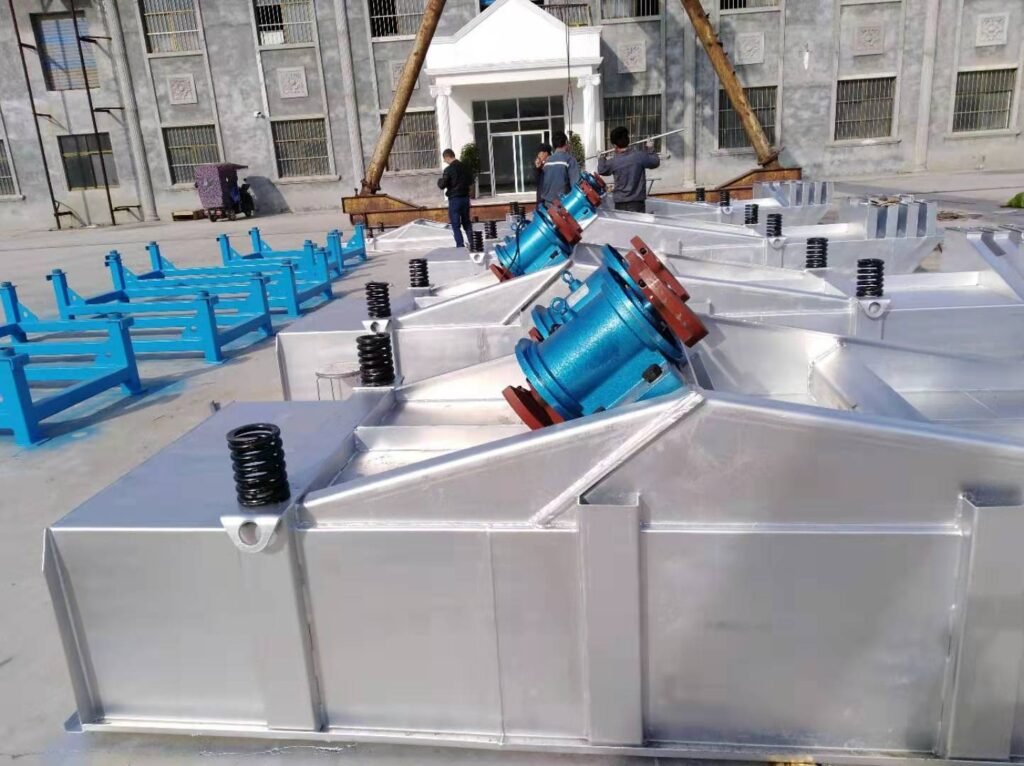
Within the building materials industry, linear screens process sandstone aggregate, cement raw meal, ceramic feedstock and refractory materials to satisfy high-output and wear-resistant working conditions. In aggregate processing, crushed stone is sorted into different particle sizes for concrete manufacture; large-size screening surfaces deliver hourly throughput up to thousands of tons with over 90% screening efficiency. In cement production, screens clean raw material impurities and control clinker granularity, stabilizing feeding for grinding mills and consistent cement quality. For ceramic production, quartz sand, feldspar and kaolin are sieved with high-mesh screens to eliminate coarse impurities in glaze, reducing defective ceramic products. Besides, they grade gypsum powder and refractory raw materials to control fineness for high-grade building products. Polyurethane screen mesh is widely adopted for rigid construction materials thanks to outstanding wear resistance, doubling the service life of traditional manganese steel mesh, while reinforced screen frames enhance structural durability.
In conclusion, customized linear screens resolve core screening troubles across chemical and construction industries, cutting production costs and realizing clean manufacturing. Integrated with intelligent monitoring and ultrasonic mesh cleaning technology, linear screens will keep upgrading and occupy an indispensable position in future chemical and construction production.